What Specifications Actually Matter When Buying a Commercial Water Purifier?
You are setting up your new office and have done all the planning, including furniture requirements, ventilation requirements, cafeteria setup, and coffee machine. Now, you only have one important thing left on your checklist, and that is buying a commercial water purifier. You have done weeks of research on this, which brand, what features, but you do not have much idea about exactly which specifications to look for to prevent waste of money, time and energy.
Well, you came to the right place, as this blog will answer all your questions.
Why Specifications Matter?
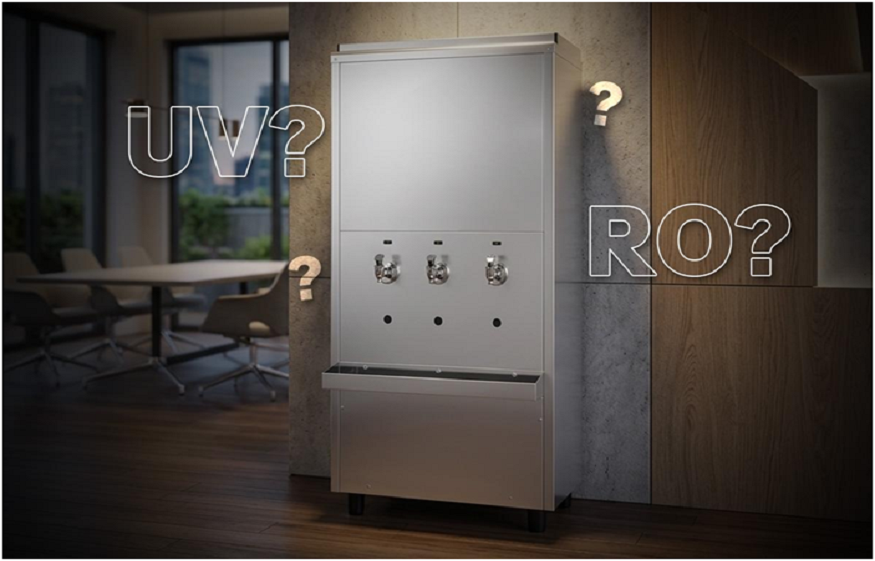
Buying the wrong commercial water purifier can result in higher expenses later, through frequent servicing, inefficient performance, or even yearly replacement. This is because, for instance, if someone installed a UV commercial water purifier in areas with high TDS levels, then people may not get clean enough water, as RO systems deal with high TDS.
You might see several problems, ranging from inefficient production to wear and tear, and thus requiring the replacement of parts more frequently than usual.
Therefore, it is important to learn about all the important specifications.
1. Know your water quality
Water quality is not uniform everywhere; in some places, water may contain heavy metal composition and in some, high TDS.
Read More: Why a Water Softener for Home is Essential: Benefits of a Hard Water Softener
Test your water and buy a suitable system. It is advisable to install a commercial water purifier with multi-stage filtration technology.
2. Capacity and storage
Average use tells you what to expect, but high demand is where the rubber meets the road. If you can’t handle the load, you’ll be feeling the strain. Meaning, you need to account for the daily usage and peak demand before deciding on the capacity and storage.
In larger institutions, such as hospitals or factories, where water demand is high daily, RO plants are installed to meet this demand.
3. Build quality and system durability
The commercial systems operate for long periods without interruption, and thus, their construction is critical. The use of low-quality construction materials can result in leakage, corrosion, and maintenance problems.
In contrast to domestic systems, these systems are meant to endure prolonged usage. They should, therefore, be constructed to withstand such loads.
4. Space availability
Every system does not suit every environment. It is recommended to know the space availability beforehand to avoid issues later on.
For instance, a single unit of commercial water purifier is sufficient for a small beauty parlour. There is no need to install 2-3 purifiers as it would lead to wastage of money, water and power.
5. Compliance, certification and safety standards
Commercial spaces provide drinking water to a large pool of people, and hence, they are required to adhere to stricter guidelines.
Read More: Thrilling Additions for Your Next Party
Before buying, make sure your commercial water purifier is BIS compliant, and if your business is beverage-related, you need to adhere to FSSAI standards as well.
6. Maintenance and support
Water filters have a limited life span. When replacements and maintenance take longer than expected, it may hamper production. The more complex the system, the harder it will be to maintain it. Good service support can make a big difference, especially when something goes wrong. Quick response times help avoid downtime
Conclusion
Choosing the right water purification system is not only selecting the right product, but it also means ensuring that the device will be compatible with the type of water you have at your workplace and the level of usage that you have on an everyday basis.
The specifications, such as capacity, mode of purification, recovery ratio, and maintenance requirements, will contribute greatly to the efficient performance of the system.